
Waste Heat Recovery Boiler (WHRB) Manufacturer | Capture Lost Energy
A waste heat recovery boiler (WHRB) captures heat from hot exhaust gas and turns it into steam, hot water or hot oil instead of letting it escape up the chimney. Thermokrupp Boilers designs custom WHRB systems for furnace, DG set and kiln exhaust, so you cut fuel use and raise overall plant efficiency.
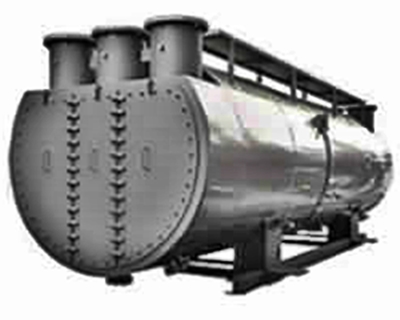
What Is a Waste Heat Recovery Boiler (WHRB)?
A waste heat recovery boiler (WHRB) is a heat exchanger that captures thermal energy from hot waste flue gases that would otherwise be released to the atmosphere. The recovered heat makes steam, hot water or heats thermal oil, which you reuse in your process, so you burn less primary fuel.
Because the heat is already being produced by your furnace, engine or kiln, recovering it is one of the most effective ways to improve energy efficiency and cut operating cost.
🔍 Primary Heat Sources for a WHRB
Steel, glass, ceramic and forging
Diesel and gas engine waste gases
Cement, lime and ceramic plants
Chemical, heater and reactor exhaust
How a Waste Heat Recovery System Works
1. Capture Waste Heat
Hot flue gas from your furnace, engine or kiln is channelled into the WHRB through a duct, with a bypass to protect your main process.
2. Heat Transfer
The heat exchanger passes energy from the hot gas to water, generating steam or hot water without burning extra fuel.
3. Cooled Exhaust Release
After heat extraction, the cooler gas leaves through the chimney at a safe temperature, above the acid dew point.
4. Reuse the Energy
The steam or hot water goes to your process, feed water heating or space heating, cutting what you spend on fuel.
How Much Heat Can You Recover?
A first estimate needs three numbers: the flue gas flow (kg/hr), its temperature, and how far you can safely cool it. As a rule of thumb:
Heat recovered (kcal/hr) ≈ gas flow (kg/hr) × 0.25 × (inlet temperature − outlet temperature)
For example, 10,000 kg/hr of exhaust cooled from 400°C to 180°C gives 10,000 × 0.25 × 220 = about 5,50,000 kcal/hr, roughly 640 kW. At about 600 to 650 kcal per kg of low-pressure steam, that is on the order of 850 to 900 kg/hr of steam before losses.
Do not cool the gas below its acid dew point (it depends on the fuel’s sulphur content), or the flue side will corrode. This is a quick estimate only. Share your exhaust data and we will work out the real figure in a feasibility study.
WHRB Designs and Outputs
| Design | Best for | Typical output |
|---|---|---|
| Fire tube WHRB | Cleaner gas streams such as DG set and engine exhaust | Saturated steam or hot water |
| Water tube / coil WHRB | Higher temperature or heavier duty streams | Saturated or superheated steam |
| Thermic fluid recovery | Processes that need high temperature at low pressure | Hot thermal oil (see our thermic fluid heaters) |
| Economiser / air preheater | Recovering heat from an existing boiler stack | Hotter feed water or combustion air (see our air preheaters) |
Key Benefits of Installing a WHRB System
✓ Lower Fuel Cost
Free waste heat replaces part of your fuel. In many plants, recovery can cut fuel use by roughly 10 to 25%, depending on the heat source, and often pays back quickly.
✓ Higher Efficiency
Raise the overall thermal efficiency of your plant, making operations more competitive and more sustainable.
✓ Lower Emissions
Burning less fuel for the same output reduces your carbon footprint and supports your energy-efficiency targets.
✓ More Usable Steam
Extra steam or hot water can serve other parts of the plant, reducing the load on your main boiler.
Is a Waste Heat Recovery Boiler Regulated?
A WHRB that generates steam is a boiler like any other. Under the Boilers Act, 2025, a steam boiler of 25 litres or more capacity at 1 kg/cm² or more pressure is a regulated (IBR) boiler, and the same applies to a waste heat boiler of that size. Heat recovery into hot water or thermal oil, without making steam, is treated differently. We state the regulatory status of your system in writing and guide you through approvals. Rules can change through government notifications, so confirm with your state boiler inspectorate if unsure.
Complete Your Heat Recovery System
Recovered heat is only useful if the rest of the system is right. Pair your WHRB with our steam boilers and packaged boilers for backup, a condensate recovery system and a proper steam distribution system. We also supply industrial chimneys, industrial fans and dust collectors, and our boiler efficiency improvement service can find further savings in your existing plant.
If your process needs hot water or hot air, see our hot water generators and hot air generators, and read our industrial heating system guide to compare options. For a neutral reference on industrial energy efficiency, see the Bureau of Energy Efficiency. Learn more about Thermokrupp, or compare us with others in our guide to the top boiler manufacturers in India.
Serving Delhi NCR and all of India. Our factory at Bisnoli, Dadri, Gautam Budh Nagar is close to Noida, Greater Noida and Ghaziabad. For plants in the region we can visit your site, measure your exhaust conditions and design the recovery system around your layout.
Frequently Asked Questions – Waste Heat Recovery Boilers
1. What is the typical payback period for a WHRB investment?
Payback often falls in the range of 1 to 3 years, but it depends on the volume and temperature of the waste gas, how many hours a year your process runs, your steam or hot water requirement and your local fuel cost. Continuous, high-temperature sources such as furnaces usually pay back fastest. We calculate the payback for your plant during the feasibility study.
2. Can a WHRB be retrofitted to my existing plant?
Yes, in most cases. We design custom WHRB systems for retrofit. Our engineers survey the site and design a solution that fits your existing furnace, DG set or kiln exhaust line, with a bypass so your main process keeps running, and we plan the work to keep downtime short.
3. What temperature should my waste gases be for a WHRB to be viable?
Recovery is usually most attractive when the waste gas is above about 250°C, and higher temperatures generally mean better efficiency and faster payback. Lower-temperature streams can still be worthwhile for hot water or feed water heating, especially with long running hours. We assess your exhaust stream to confirm feasibility.
4. What industries benefit the most from WHRBs?
Any industry with a hot exhaust stream can benefit, including:
- Steel and metals: reheat furnaces and arc furnaces
- Cement, glass and ceramics: kiln exhaust
- Chemical and refining: process heaters and reactors
- Power and captive generation: DG set and gas engine exhaust
5. What kind of output can I expect (steam or hot water)?
The output depends on your waste heat input. Systems can be designed to produce:
- Saturated or superheated steam for process use
- Hot water or thermal oil for lower-temperature processes and heating
Our engineers calculate the potential from your exhaust data and specify the output capacity.
6. Will a WHRB affect my furnace or DG set performance?
It can if it is badly designed, because the boiler adds resistance to the exhaust path. For DG sets and engines, the added back pressure must stay within the engine maker’s allowable limit. We design the WHRB, ducting and bypass around these limits so your engine or furnace keeps running normally.
7. Is a waste heat recovery boiler regulated under the Boilers Act?
A WHRB that generates steam is a boiler, and under the Boilers Act, 2025 a steam boiler of 25 litres or more capacity at 1 kg/cm² or more pressure is regulated (IBR). Heat recovery into hot water or thermal oil, without steam, is treated differently. We confirm the status of your system in writing and guide you through any approvals.
Start Capturing Your Lost Energy Today
Get a free feasibility assessment and a custom quote for a waste heat recovery boiler tailored to your plant. Turn your waste heat into savings.
Request a Free Feasibility Study
For the most accurate assessment, please share details of your exhaust source (furnace or engine type, temperature, flow rate, running hours).
Contact Our Energy Recovery Experts
Discuss your plant’s potential for waste heat recovery.
Email Your Queries
Our Factory
Kh No -12, Bisnoli, Tehsil – Dadri, Gautam Budh Nagar – 203207, Uttar Pradesh, India
Site Survey
Technical assessment of your waste heat potential
Custom Design
Tailored to your specific exhaust source
Turnkey Solutions
From design to installation and support